
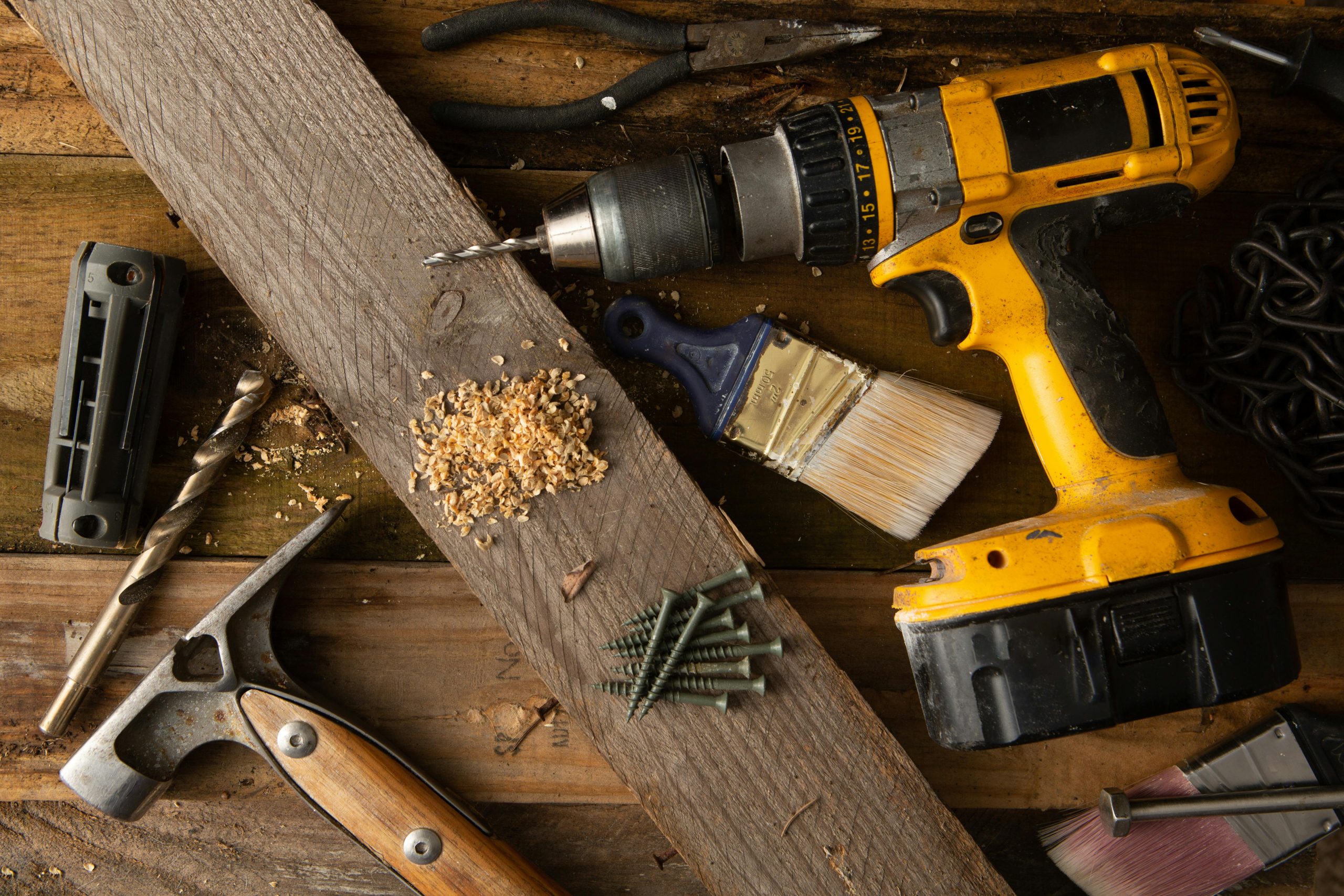
Walk into any garage or construction site and you’ll hear it—the buzz of a drill, the scream of a saw, or the whir of a grinder. These aren’t just machines; they’re the backbone of modern creation. Power tools take raw human effort and amplify it, turning sweat into speed and precision. Whether it’s a DIYer fixing up a fence or a contractor raising skyscrapers, these tools are the invisible heroes behind progress.
This guide takes you through their fascinating history, today’s must-have types, the leading brands shaping 2025, and the trends that will define the future of power tools.
How Power Tools Evolved
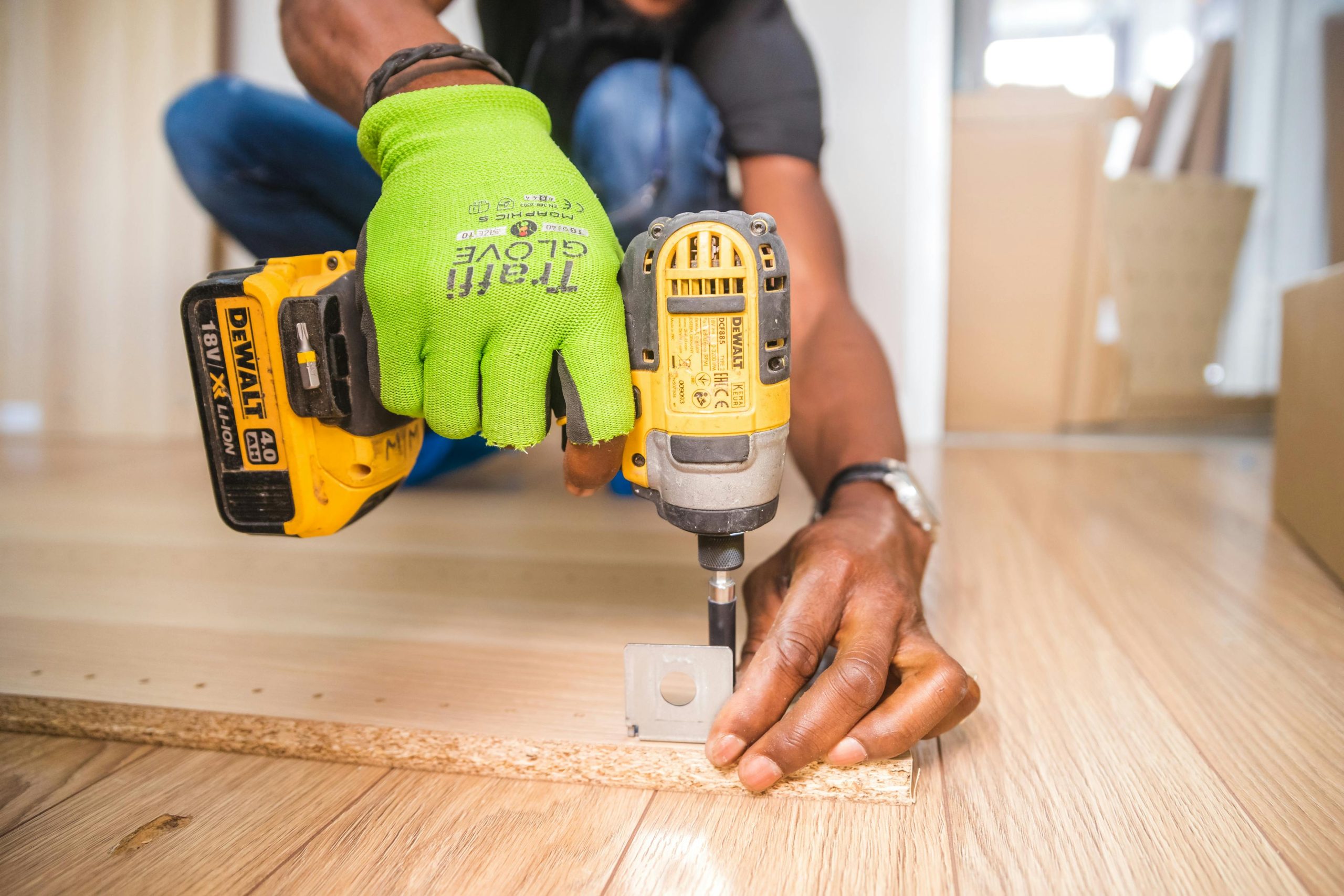
The story of power tools is a story of invention. In 1895, German engineers at C&E Fein combined an electric motor with a hand drill to create the world’s first electric drill. It was bulky—over 16 pounds—but revolutionary.
By 1916, Black & Decker added the pistol grip and trigger switch, making tools easier and safer to handle. Through the 20th century, power tools shifted from factory floors to homes, with brands like Milwaukee, Makita, and Bosch making them lighter and more efficient.
The cordless revolution began in 1978 with Makita’s NiCad drill, paving the way for the lithium-ion powered, brushless-motor tools we rely on today. In 2025, power tools are smarter than ever—Bluetooth tracking, AI-optimized settings, and even augmented reality overlays are shaping a new era of work.
Types of Power Tools and Their Uses
Power tools fall into two main categories: handheld (portable) and stationary. Both play unique roles.
- Drills & Drivers: Cordless drills are the all-rounders, perfect for holes and screws. Impact drivers provide extra torque for tough bolts.
- Saws: Circular saws for straight cuts, jigsaws for curves, and reciprocating saws for demolition work.
- Grinders & Sanders: Angle grinders cut and shape metal, while orbital sanders finish wood surfaces smoothly.
- Stationary Tools: Table saws, drill presses, and lathes bring precision to repetitive jobs but require dedicated space.
Corded tools still dominate heavy-duty use, but cordless tools (powered by 20V–80V lithium-ion batteries) now rival them in strength while offering unmatched portability.
| Tool Type | Examples | Best For | Pros | Cons |
|---|---|---|---|---|
| Drills/Drivers | Cordless drill, impact driver | Holes, screws | Versatile, portable | Battery drain |
| Saws | Circular, jigsaw, reciprocating | Cutting wood/metal | Fast, accurate | Noise, dust |
| Grinders/Sanders | Angle grinder, orbital sander | Shaping, finishing | Efficient surface work | Vibration fatigue |
| Stationary | Table saw, drill press | Precision cuts, mass production | Power, accuracy | Bulky, fixed |
The Big Players: Power Tool Brands in 2025
Power tool fans are as loyal as sports fans, and for good reason—brands define ecosystems.
- Milwaukee: The top choice for professionals, with brushless tech and smart “One-Key” integration.
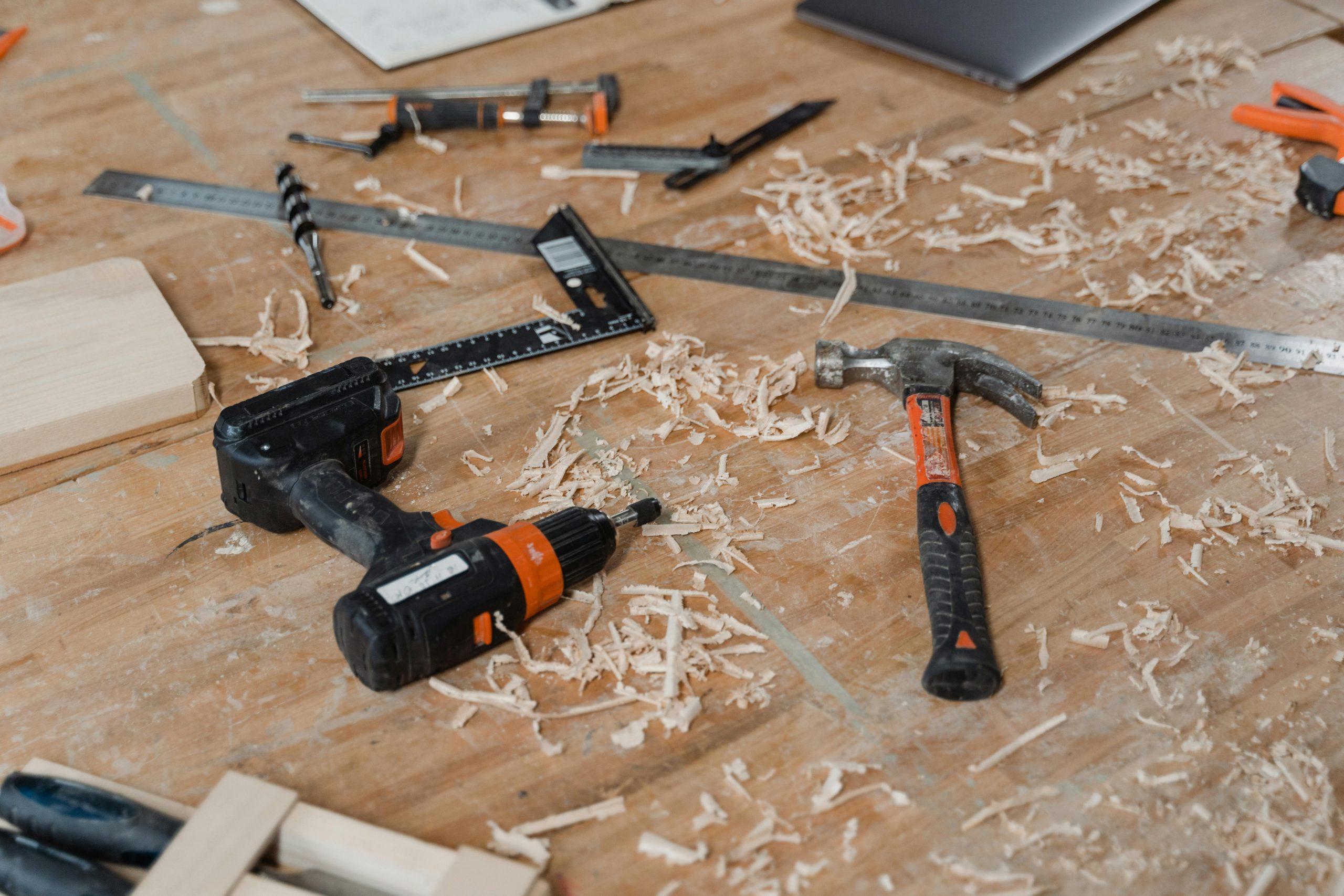
- DeWalt: Known for rugged, contractor-grade cordless systems like the 20V MAX line.
- Makita: Lightweight, reliable, and highly portable, with standout cordless saws.
- Bosch: Precision-focused, especially with measurement tools and laser guides.
- Ryobi: Budget-friendly, DIY-focused tools that expand easily with their battery system.
- Festool & Metabo: Premium brands catering to woodworking pros and heavy-duty industrial users.
Tip: Stick with one ecosystem. Batteries and chargers are interchangeable within a brand’s lineup, saving both money and hassle.
Choosing the Right Power Tools
Buying power tools isn’t about picking the shiniest model. Start with what you’ll use it for:
- Woodworking vs. metalwork.
- DIY weekend projects vs. professional daily use.
- Light-duty sanding vs. heavy drilling into concrete.
Budget matters too. DIY kits start at ₹8,000–₹20,000 ($100–300), while professional toolkits run higher. Prioritize build quality and ergonomics: vibration-dampening grips, variable speed controls, and safety features like automatic brakes.
And always check warranties and after-sales service—a reliable repair network can make all the difference.
Staying Safe While Using Power Tools
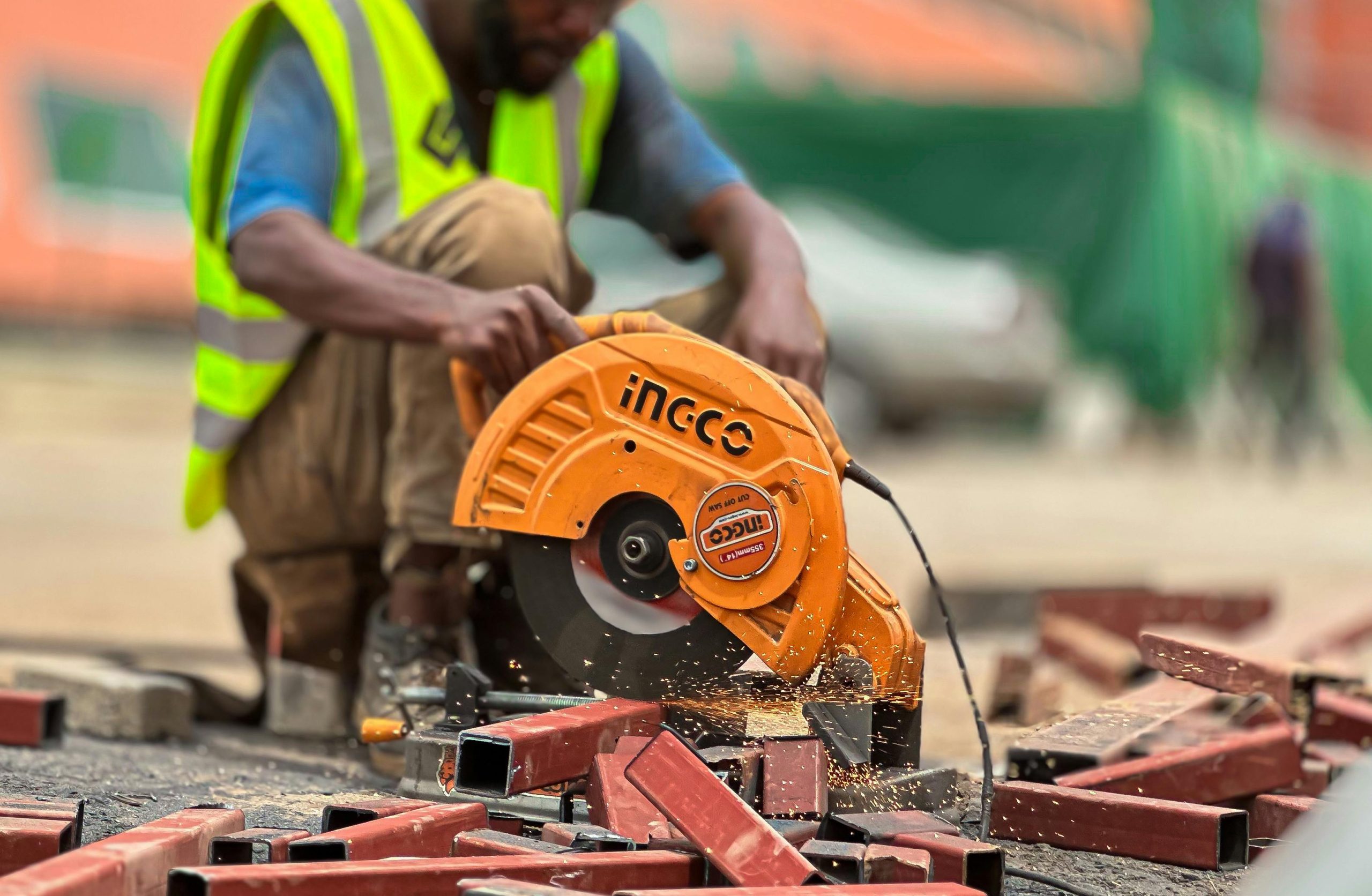
Power tools multiply your capabilities, but mistakes can be dangerous. Basic safety tips include:
- Always wear goggles, gloves, ear protection, and dust masks.
- Clamp workpieces securely.
- Keep cords clear of cutting paths.
- Never remove blade guards.
- Inspect tools for wear, frayed wires, or dull blades before use.
And yes—read the manual. Skipping setup instructions is one of the leading causes of accidents.
Maintenance: Keeping Tools Alive Longer
Well-maintained power tools can last for decades. Simple steps go a long way:
- Clean tools after each use.
- Sharpen blades regularly.
- Store in dry conditions to prevent rust.
- Remove batteries in extreme cold or heat.
- Lubricate moving parts and check alignments.
- Replace worn brushes and bits promptly.
Professional servicing once a year is recommended for contractors or heavy users.
Applications Across Industries
Power tools touch nearly every sector:
- Construction: Hammer drills and circular saws frame buildings.
- Woodworking: Routers, planers, and sanders shape furniture.
- Automotive: Impact wrenches and grinders keep workshops humming.
- Metal fabrication: Band saws and weld prep tools streamline production.
- DIY & Home use: From plumbing fixes to garden furniture, cordless drills and jigsaws are essentials.
The Future of Power Tools
As of 2025, the industry is shifting fast:
- Battery power surging → Higher voltages rival corded strength.
- Brushless motors standard → More efficient, quieter, and longer lasting.
- Smart tools → Bluetooth tracking, theft prevention, and app-based customization.
- Eco-conscious design → Recyclable materials, solar-charged batteries, modular tools that reduce waste.
- AI integration → Predictive maintenance alerts before breakdowns.
Cordless ecosystems will dominate the next decade, making job sites safer, cleaner, and more efficient.

Power Tools: Your Partner in Progress
From that heavy 1895 drill to today’s AI-enabled cordless kits, power tools have always been about one thing—empowering people to create. They’re no longer just workshop machines; they’re enablers of efficiency across homes, industries, and cities.
Whether you’re a beginner picking up your first cordless drill or a professional upgrading to the latest brushless driver, the right power tool doesn’t just make tasks easier—it makes possibilities endless.