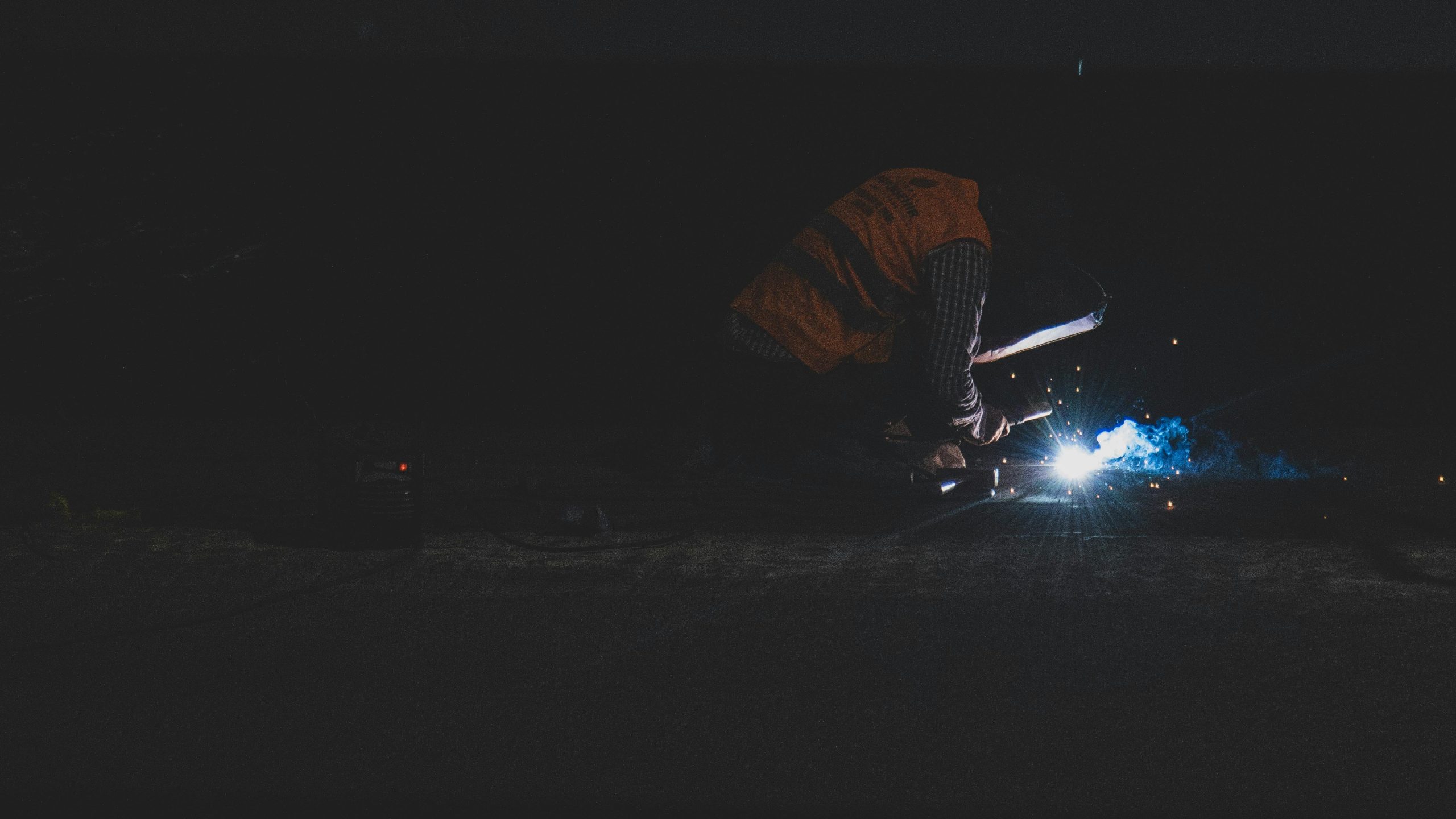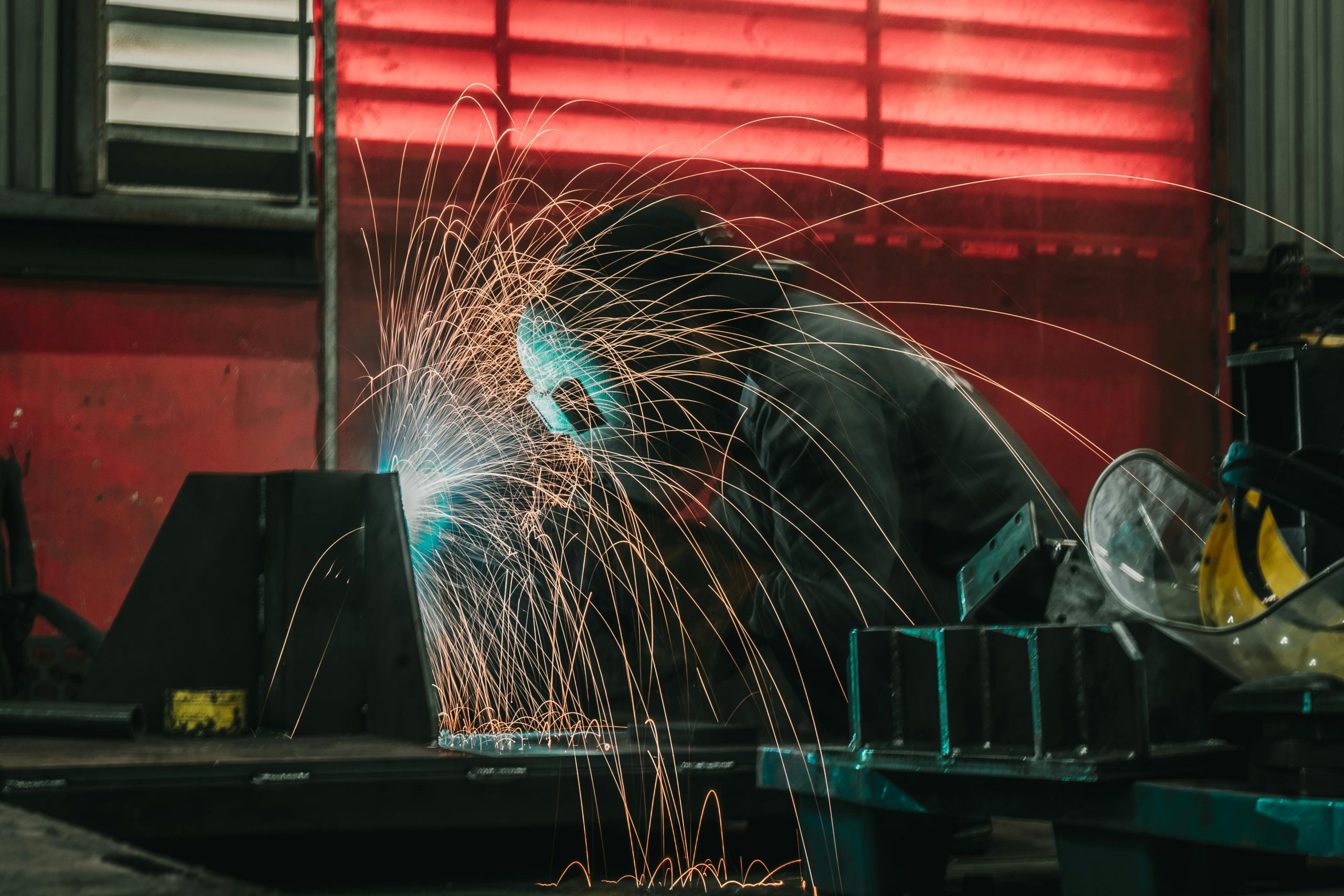
Welding isn’t just about fusing metal; for many Indian workshops, it’s about reliability, skill, and trust. Picture a late-night job in a Pune workshop: a welder tackling a truck chassis repair, sparks flying as the electrode meets steel. The rod in his hand? Opal E6013. It may not be the biggest brand name in the market, but it has earned a reputation as a dependable, affordable choice for fabricators who value consistency over flashy marketing.
In an industry filled with heavyweights like ESAB and Ador, Opal Welding Electrodes has carved its place as a reliable underdog—born in Latur, Maharashtra, and now trusted by welders across Pune, Mumbai, and beyond.
From Latur to the Workshop Floor
Opal Welding Electrodes was launched in 2011 by Anant Engineering Industries, under the leadership of Shirish Bhutada. Based in MIDC Latur, the company spotted an opportunity: while global brands were pushing premium electrodes, many small and mid-sized Indian workshops needed something simpler—affordable, reliable, and easy to use.
By focusing on rutile-based electrodes that meet AWS standards, Opal quickly gained traction among distributors and small shops. Pune and Mumbai became early hubs of growth, with suppliers like S M Enterprises helping spread the word. Fast forward to 2025, Opal’s reach has expanded further—its products are now easily available on IndiaMart and Industricart, priced around ₹3,200–₹3,300 per pack, making them one of the best-value choices for everyday fabrication.
What sets Opal apart is its adaptability. During pandemic disruptions, when imports and raw material supplies were tight, Anant shifted to local sourcing to keep prices stable. Feedback from welders—whether from shipyards or rural repair shops—continues to shape tweaks in formulation, keeping Opal practical and consistent.
Technical Edge: Inside Opal’s E6013
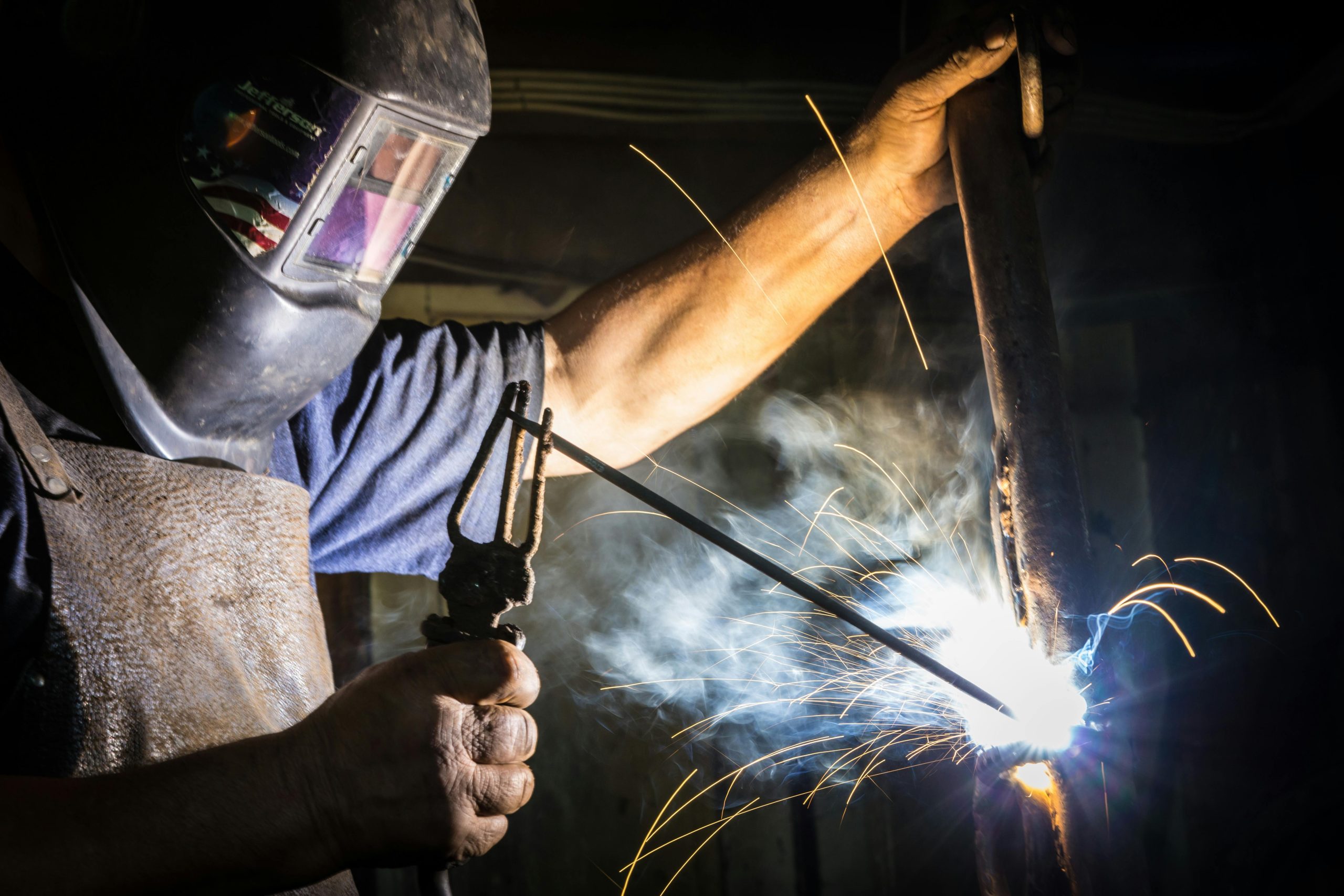
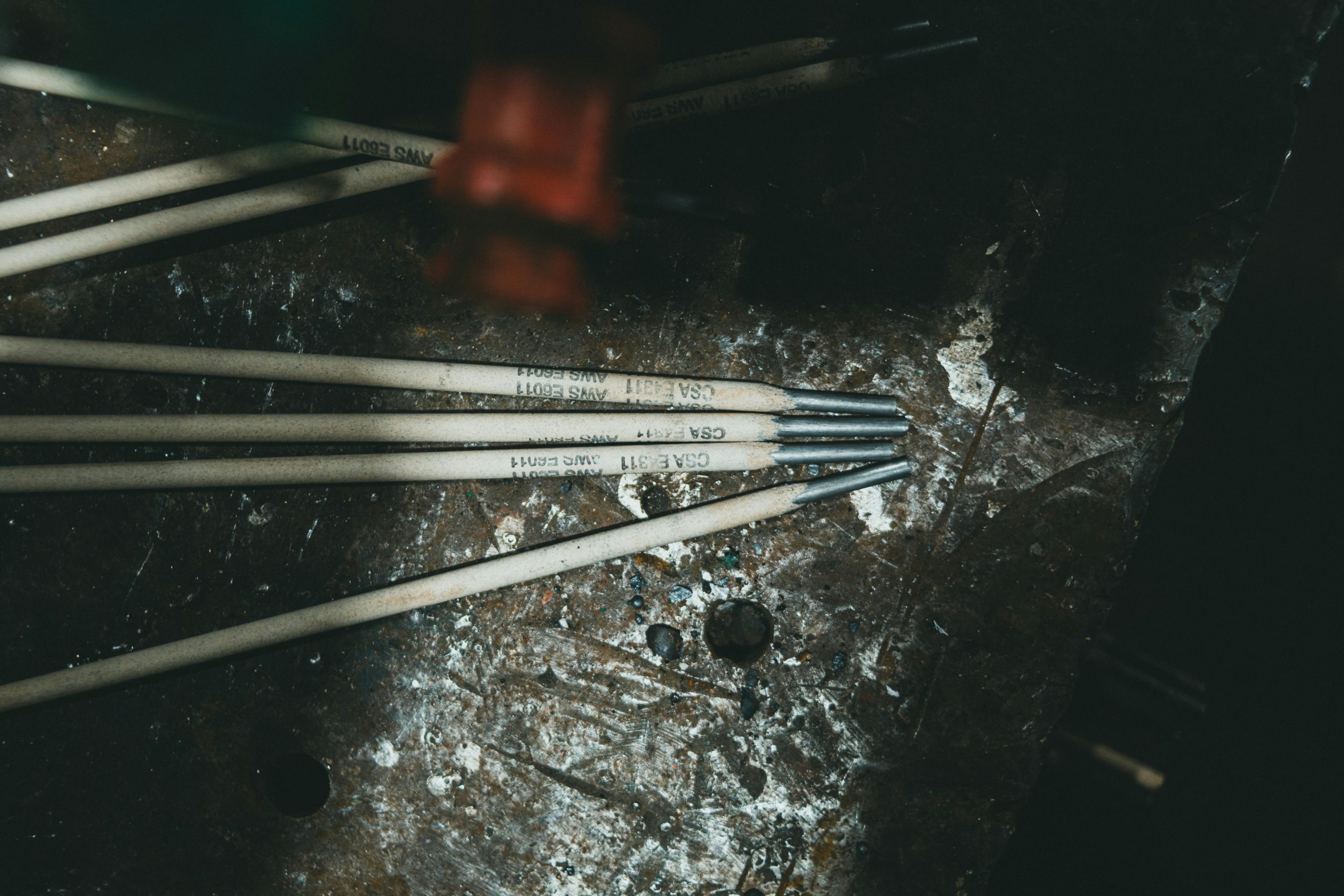
At the core of Opal’s lineup is the E6013 rutile electrode, the workhorse of shielded metal arc welding (SMAW).
- Diameters available: 2.5mm, 3.15mm, and 4.0mm (lengths 350–450mm).
- Strength: ≥60,000 psi tensile strength, ≥17% elongation.
- Current compatibility: Works with both AC and DC (DCEP/DCEN).
- Positions: Certified for all positions—flat, vertical, horizontal, overhead, and pipe welding.
- Arc quality: Smooth, stable arc with low spatter.
- Slag removal: Easy peel-off, leaving clean, ripple-free beads.
- Moisture resistance: Flux performs well in humid Indian conditions, minimizing porosity.
In short, Opal electrodes are forgiving, beginner-friendly, and efficient—great for routine fabrication, sheet work, or repair jobs. Unlike aggressive cellulosic rods, which dig deeper and throw more spatter, Opal’s E6013 is softer and smoother, making it a favorite for both learners and pros handling repetitive tasks.
Where Opal Fits: Everyday Applications
The real strength of Opal lies in its versatility. It is widely used for:
- Automotive repairs – Mending truck chassis, fenders, and exhausts.
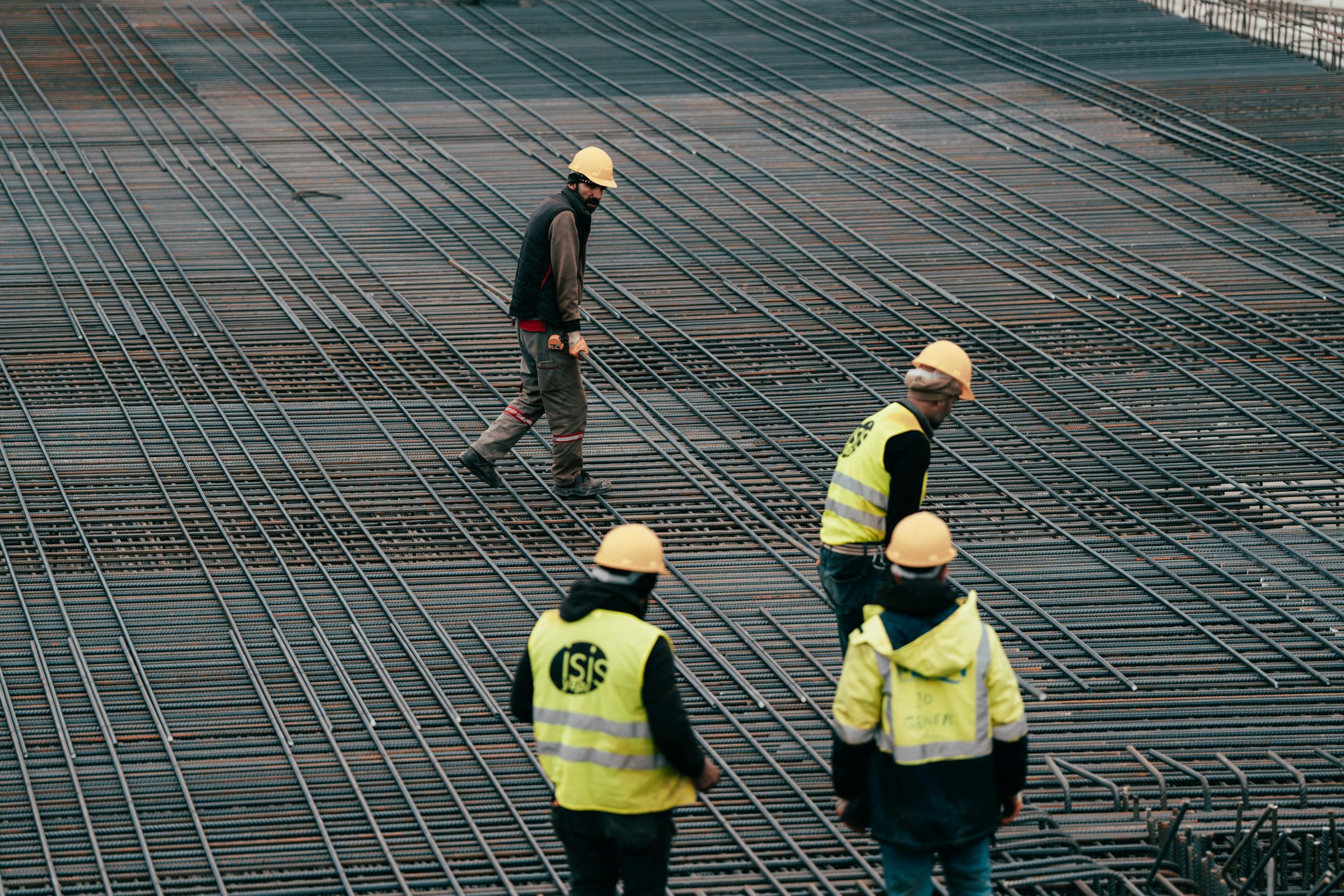
- Construction – Reinforcing rebar, scaffolding, and general site welding.
- Shipyards – Quick touch-ups on hulls with minimal spatter.
- Rural machinery – Tractor plows, sugarcane equipment, and farm repairs.
- DIY welding – Gates, grills, and small structural work.
Metal recovery rates of 95–98% mean less wastage and better cost efficiency, especially in small workshops where every rod counts.
One welder put it simply: “Opal is like that old scooter—steady, reliable, and always gets the job done.” That’s the kind of trust that keeps this brand moving forward.
Quality You Can Trust
Opal may not have massive R&D labs, but it maintains ISO certifications and BIS approvals, which are essential for government tenders and industrial use. Each batch undergoes testing for tensile strength, ductility, coating consistency, and hydrogen levels—keeping defects and cold cracks to a minimum.
Another advantage? Local manufacturing and sourcing. By producing in Latur and sourcing materials domestically, Opal keeps supply steady, pricing affordable, and the carbon footprint lower than many imports.
Opal vs. Competitors
Here’s how Opal compares with other popular E6013 electrodes:
| Brand/Electrode | Price (per kg) | Arc Stability | Slag Removal | Best For | Limitation |
|---|---|---|---|---|---|
| Opal E6013 | ₹65–80 | Excellent (soft arc) | Easy peel | General fabrication, repairs | Not suited for high-alloy steels |
| ESAB Coreweld 6013 | ₹90–110 | Very good | Moderate | Precision welding | Higher cost |
| Ador Ayon 6013 | ₹70–85 | Good | Good | Sheet metal | Slightly more spatter |
| Mangalam 6013X | ₹75–95 | Excellent | Excellent | Heavy structures | Bulkier packaging |
For most small and mid-sized workshops, Opal offers the best balance of cost and performance—a reliable alternative to premium imports.
Why Welders Choose Opal
- Affordable – Cheaper than most imports without compromising quality.
- Easy to use – Smooth arc and simple slag removal make it ideal for beginners.
- Reliable in Indian conditions – Performs well in humidity and variable power sources.
- Readily available – Distributors and online platforms make sourcing hassle-free.
For workshops and distributors, this combination makes Opal a practical and profitable choice.
The Bottom Line
In India’s fast-growing welding market, Opal Welding Electrodes has proven that a small-town brand can stand tall against industry giants. It doesn’t promise to revolutionize welding—it simply delivers consistent, affordable, and reliable performance for welders across the country.
Whether you’re repairing a tractor in rural Maharashtra, fabricating in Mumbai, or running a construction project in Pune, Opal E6013 is a rod you can trust to strike and hold.
Next time you’re weighing electrode options, remember: welding isn’t just about joining metal—it’s about joining futures. And for many welders across India, Opal is the spark that keeps them moving forward.