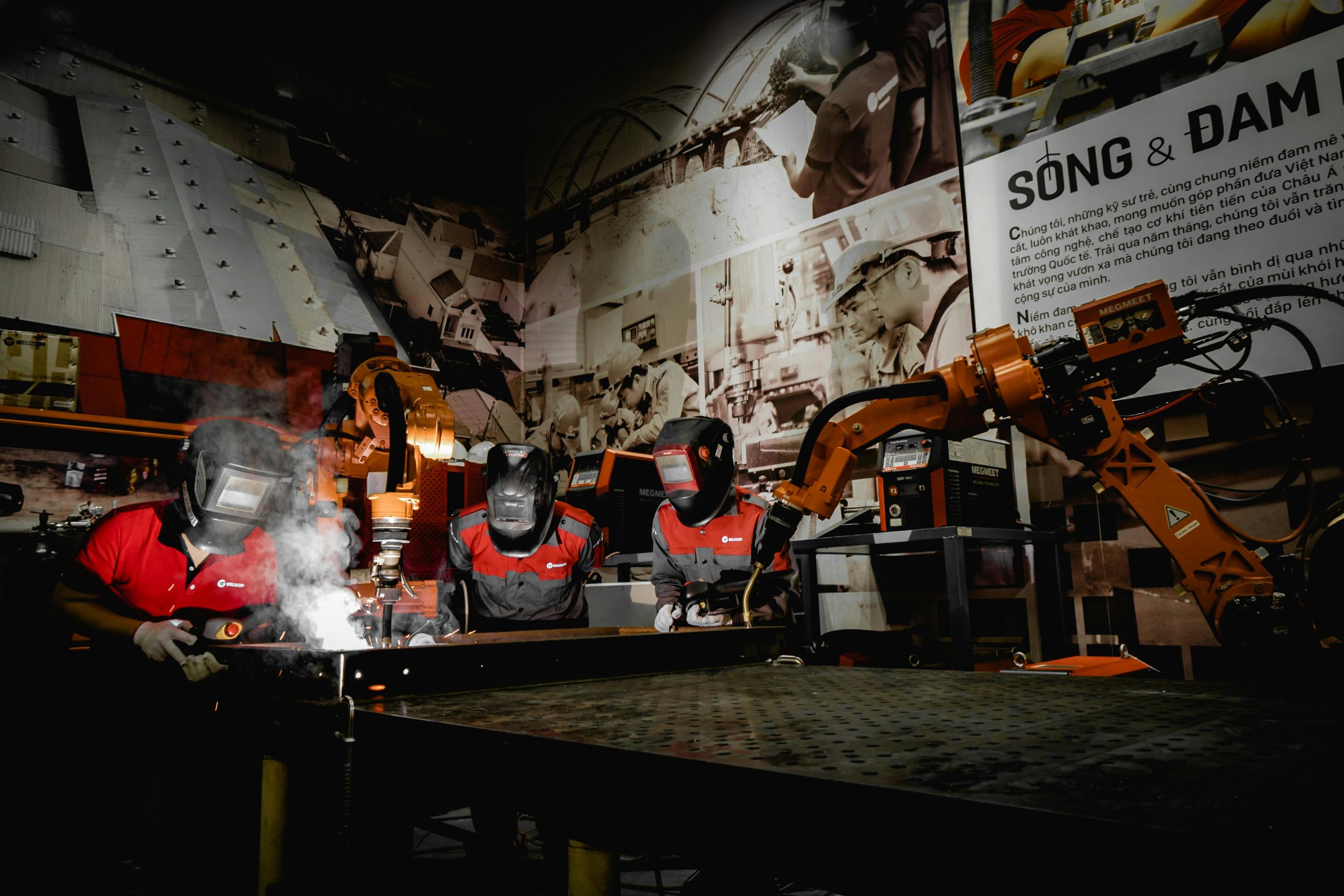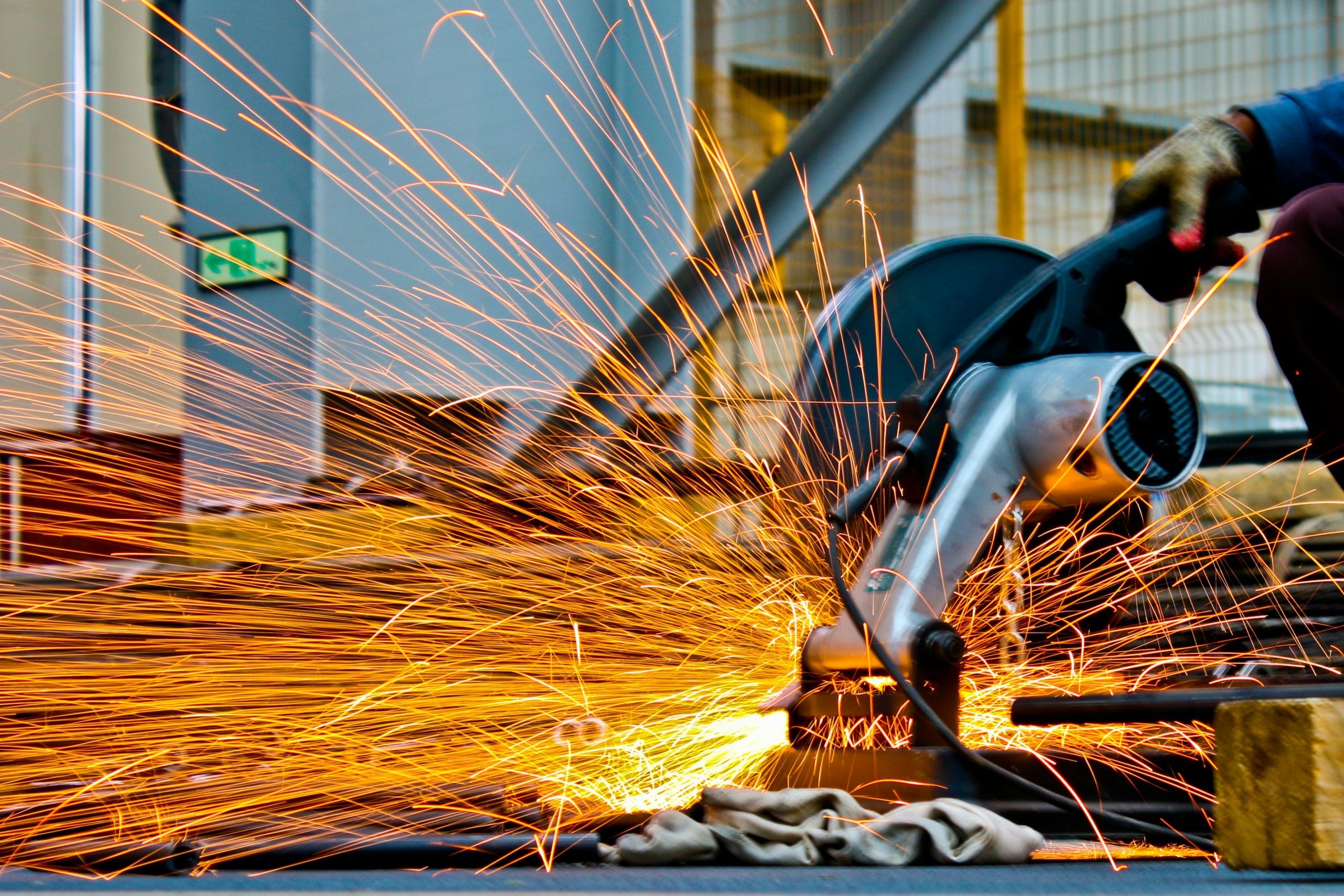
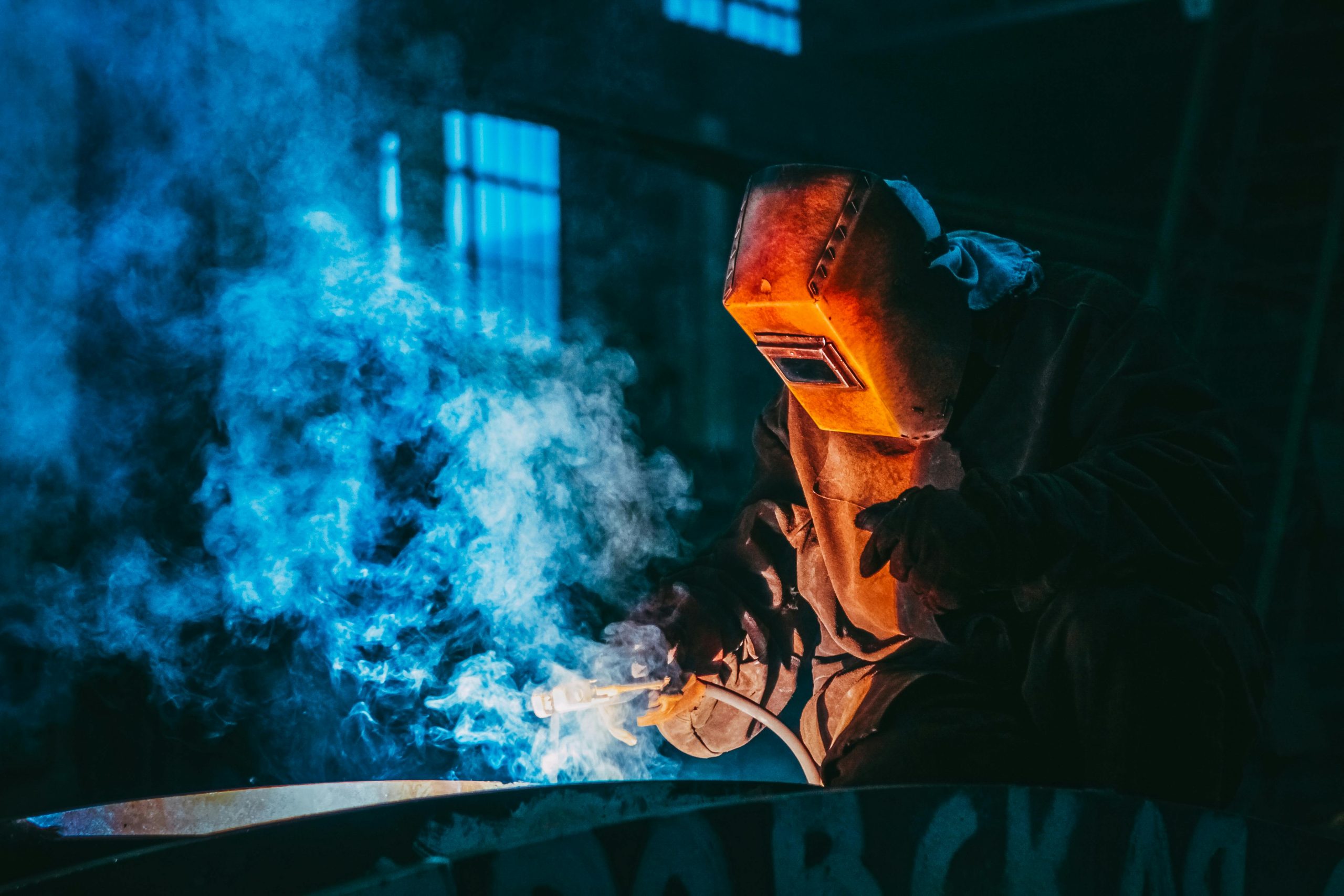
Picture a fabrication shop in Chennai: sparks flying, beams being joined for a new metro rail project, and a welder at work under the blinding light of an arc that burns hotter than 6,000°F. One slip, though—a stray spark or a breath of toxic fumes—could change everything. Welding is one of the pillars of India’s infrastructure growth and EV manufacturing boom, but it’s also one of the riskiest trades.
With over 1.5 million welders across India, the industry struggles with unique challenges: humid climates, cramped workshops, and inconsistent enforcement of safety rules. Hazards like burns, “arc eye,” shocks, and respiratory diseases are widespread. While safety products—from smart helmets to fume extractors—have advanced, adoption in India still trails behind global standards.
This article looks at the real risks welders face, the PPE they need, Indian innovations in safety gear, and practical steps to make welding safer.
Hazards in Indian Welding Workshops
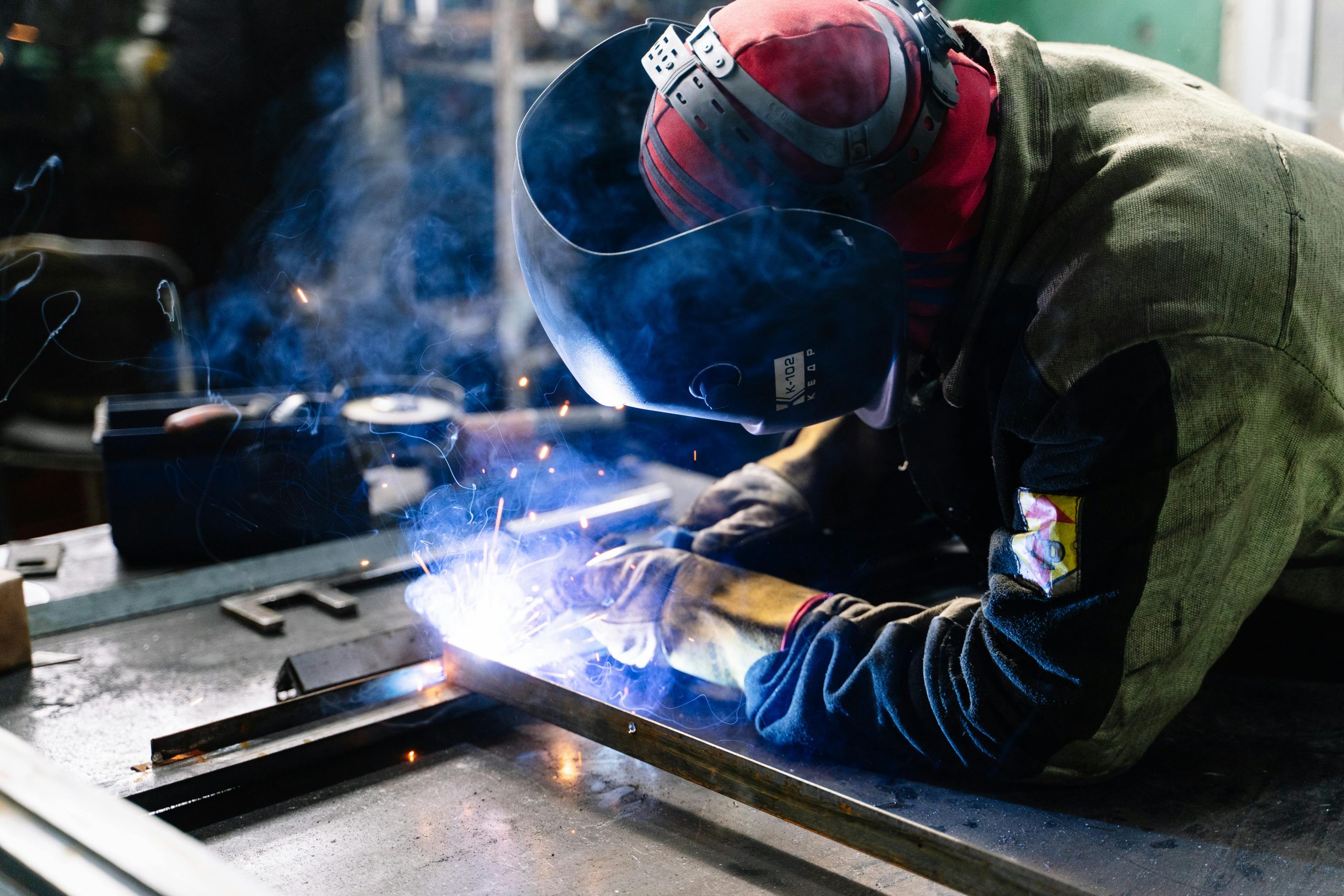
Every welding job comes with dangers: intense heat, UV and IR radiation, toxic fumes, and flying sparks. Burns from molten slag are common, while arc eye (temporary blindness) affects nearly one in four welders without proper shields, according to a 2023 occupational health study.
India’s environment makes matters worse:
- Humidity and monsoons in Mumbai or Chennai corrode equipment and increase shock risks.
- Rural sheds in Maharashtra or UP often lack ventilation, exposing welders to dust and heat stress.
- Aging equipment leads to poor grounding and higher chances of fatal shocks.
The Directorate General of Factory Advice Service and Labour Institutes (DGFASLI) reports 1,800 welding injuries annually, 60% due to inadequate PPE. Most of these occur in small-scale units, where costs and lack of awareness mean safety often takes a back seat.
The PPE Every Indian Welder Needs
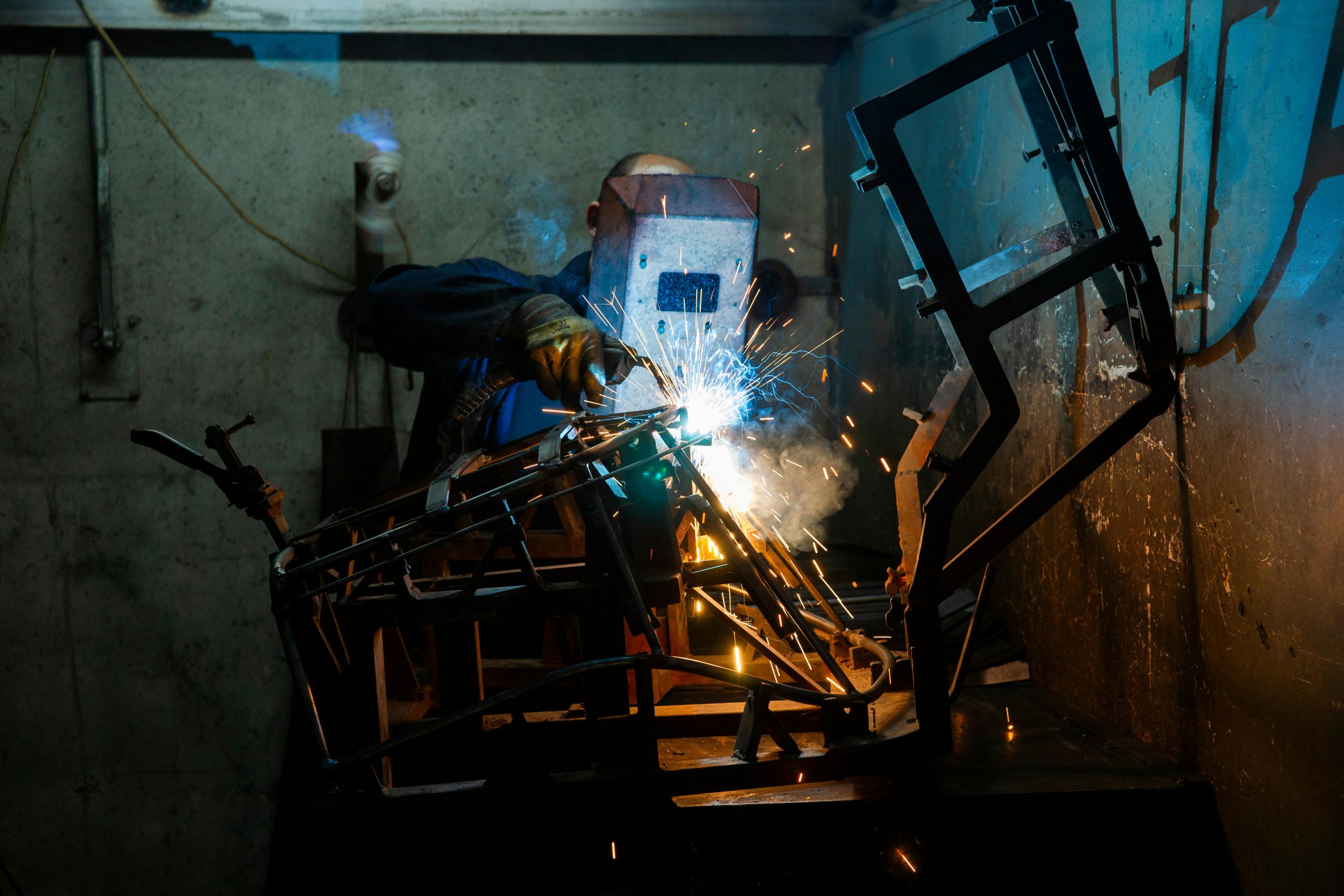
Personal Protective Equipment (PPE) is the first line of defense. For Indian conditions, gear needs to be heat-resistant, breathable, and affordable.
- Welding helmets: Auto-darkening, BIS-certified, with anti-fog vents for India’s humid climates. Local brands like Ador Welding and Opal offer solid options.
- Gloves: Cowhide or Kevlar-lined, stitched for durability during sparks and heat exposure.
- Flame-retardant jackets and bibs: Breathable cotton-nylon blends that don’t trap heat.
- Safety glasses: Wraparound, anti-fog, UV/IR protective lenses for everyday use.
- Boots: EH-rated steel-toe boots that stay reliable on wet floors during monsoons.
- Aprons: Monsoon-resistant full-body coverage for heavy welding.
Budget remains a deciding factor. Local brands are up to 30% cheaper than imports, making them popular among small workshops. But comfort and fit are equally critical—loose helmets and bulky gloves often push welders to skip PPE altogether.
Tackling Fumes and Ventilation
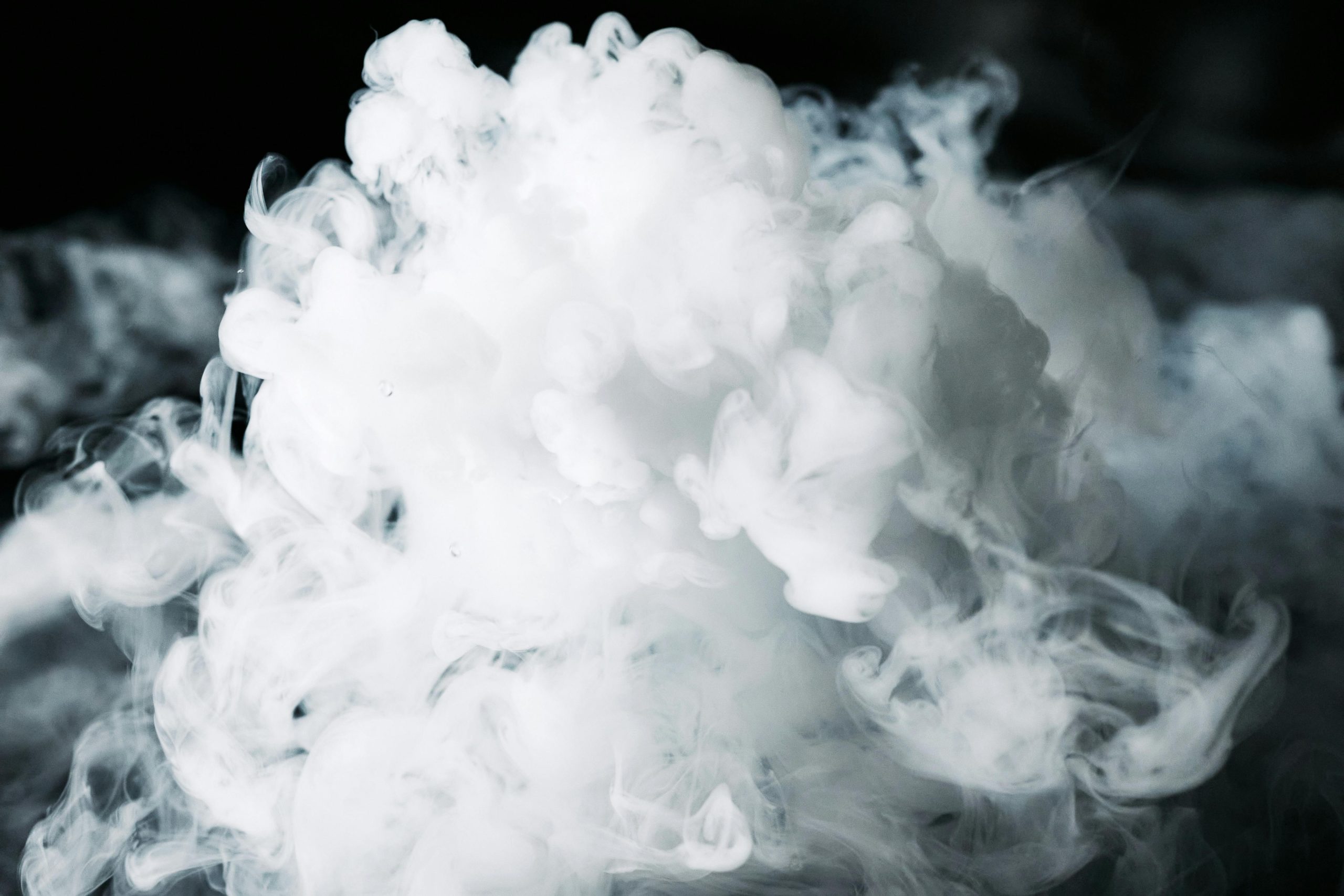
Fumes are one of the least visible but most dangerous risks. In India’s stainless steel-heavy industries, hexavalent chromium levels often exceed BIS safety limits, according to a 2023 IIT Bombay study.
Practical solutions include:
- N95 masks for short jobs.
- PAPRs (Powered Air-Purifying Respirators) with HEPA filters for MIG or plasma cutting.
- Portable fume extractors like Esab’s WeldFume series—ideal for cramped auto workshops.
- IoT-enabled extractors from startups like CleanAir Systems that track air quality in real time.
Case in point: A Chennai EV plant installed extractors worth ₹50,000 and cut respiratory cases by 35% in just one year.
Fire and Electrical Risks
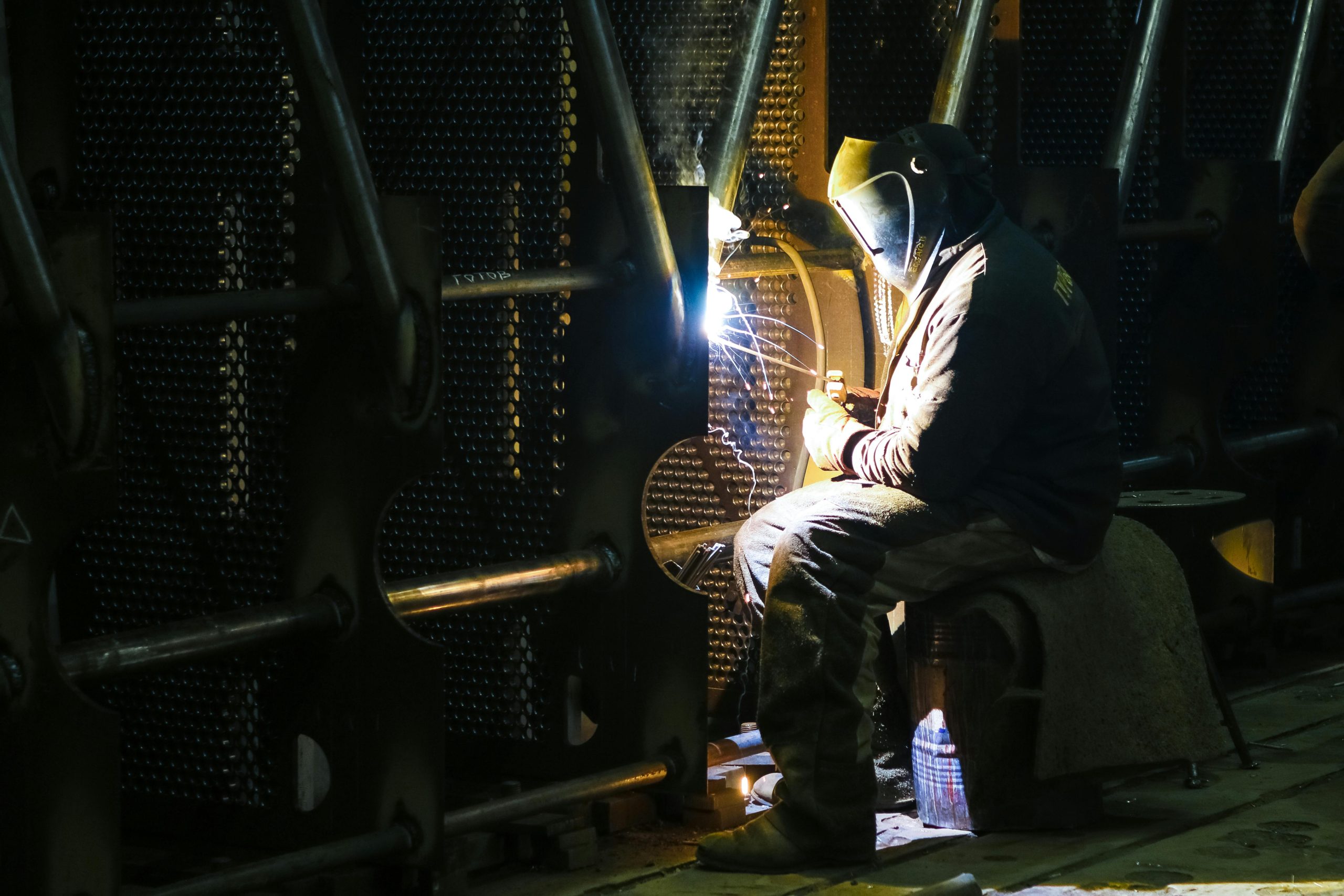
India’s crowded welding shops are often fire hazards waiting to happen. Oil rags on the floor, weak grounding, and poor wiring combine with sparks to create disasters.
- ABC fire extinguishers, fire blankets, and FR curtains are essential. Newer Indian innovations even deploy fire curtains automatically at 500°F.
- Shock protection is critical. GFCIs reduce risks on wet floors, but fewer than 20% of rural welders use them.
- In EV battery welding, lithium-ion fires are an emerging danger, requiring specialized CO2 extinguishers and O2 monitors.
Where Regulations Stand
India has safety rules on paper—the Factories Act, 1948, and the Occupational Safety Code, 2020, mandate PPE and ventilation. Standards like BIS IS 1179 for helmets and IS 5983 for glasses align with ISO.
But enforcement is weak. In smaller towns and unorganized units, compliance is often ignored. Reports suggest that 45% of welding-related injuries come directly from skipped PPE use. Larger companies like L&T or Tata Steel meet safety standards rigorously, but MSMEs lag far behind.
New Innovations for Indian Welders
Despite the gaps, safety innovation in India is accelerating:
- AR-enabled helmets (Ador Welding, 2025) project weld paths for precision.
- Budget PAPRs from startups like WeldSafe slash costs by half compared to imports.
- IoT gloves with vibration alerts reduce repetitive strain injuries.
- Eco-friendly FR fabrics are being used by brands like Venus to cut waste by 20%.
- Cobots (welding robots) deployed in EV plants reduce exposure to dangerous arcs.
The market for welding safety in India is expected to reach ₹30,000 crore by 2030, driven by such innovations.
Smarter Choices for Welders
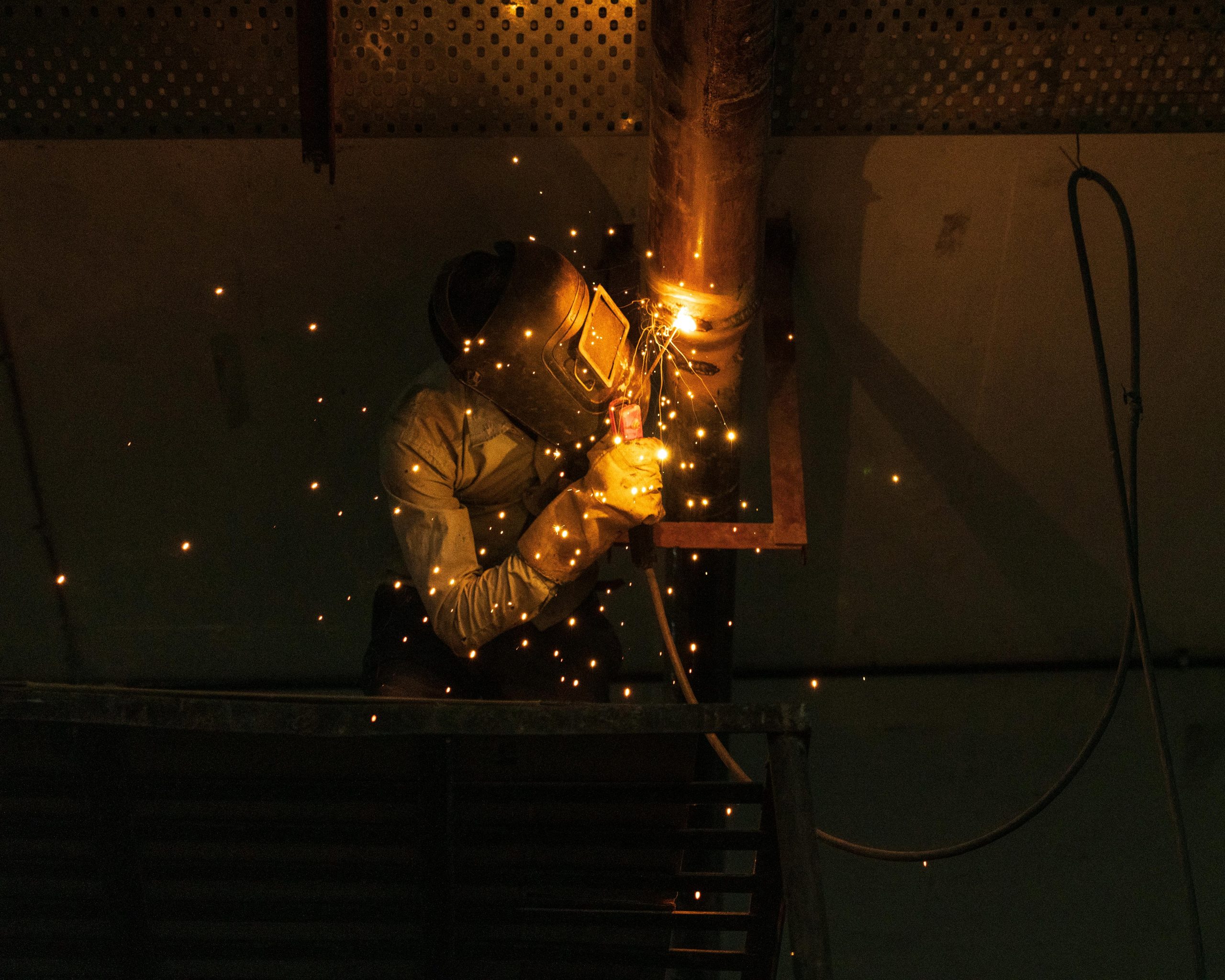
For welders and shop owners, investing in safety isn’t optional—it’s essential. A proper starter PPE kit costs between ₹10,000 and ₹30,000, and should always carry BIS certification. In humid climates like Kolkata or Chennai, ventilated helmets are a must.
Maintenance is just as important:
- Inspect gear daily.
- Wash FR clothing every two weeks.
- Replace filters regularly.
- Train workers—studies show proper training reduces accidents by 30%.
Real stories highlight the difference: a Pune welder eliminated chronic cough after installing a fume extractor, while a Surat workshop lost ₹2 crore in a fire caused by skipped fire blankets.
Welding Safety: The Road Ahead
Welding fuels India’s growth, but it also puts workers at serious risk if safety is ignored. The technology and equipment already exist—auto-darkening helmets, ventilated jackets, fume extractors, smart gloves—but adoption and enforcement are what will truly protect India’s 1.5 million welders.
As industries push forward, one thing is clear: every safe weld is more than just a joint—it’s a step toward a stronger and safer India.